

SESSILE ANIMALS OF THE SEA SHORE
Written by Vernon A. Harris
Published by Chapman & Hall
in 1990
ISBN: 0412337606
- Categorised in:
- NATURAL HISTORY
- MARINE LIFE
- INVERTEBRATES
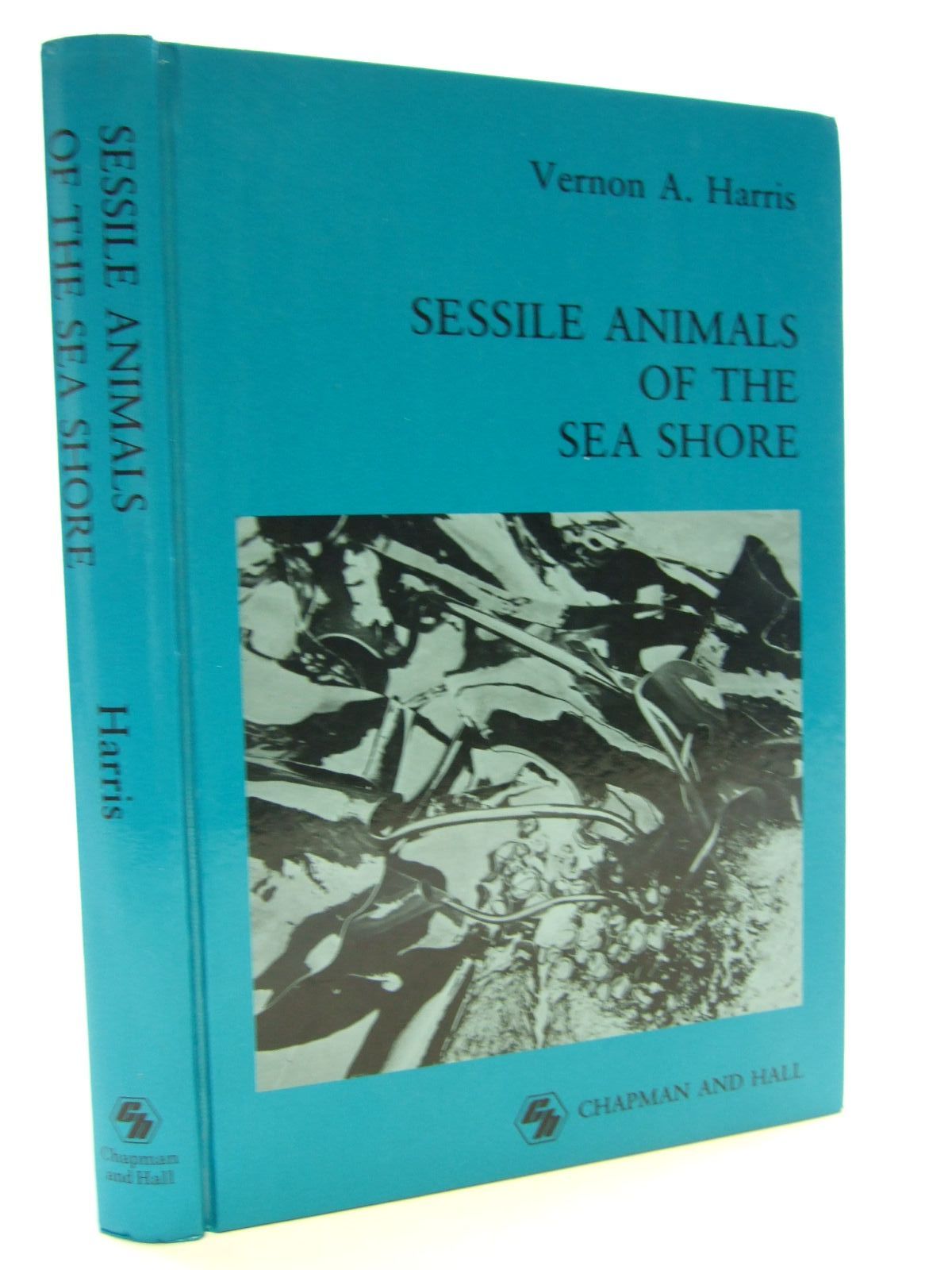 View more images
SESSILE ANIMALS OF THE SEA SHORE
Written by Vernon A. Harris.
Stock no. 1805653
1st.
1990.
Hardback.
Nearly fine condition.
A synthesis of current ideas on the diverse structural, biochemical, behavioural and physiological adaptations which have led to sessile animals successfully invading the intertidal region of the sea shore. B/w diagrams. x and 379 pages including index. ISBN: 0412337606. Corners lightly bumped. Contents fine.
Buy now for £120.00 Enquire about this book Add to Wish List
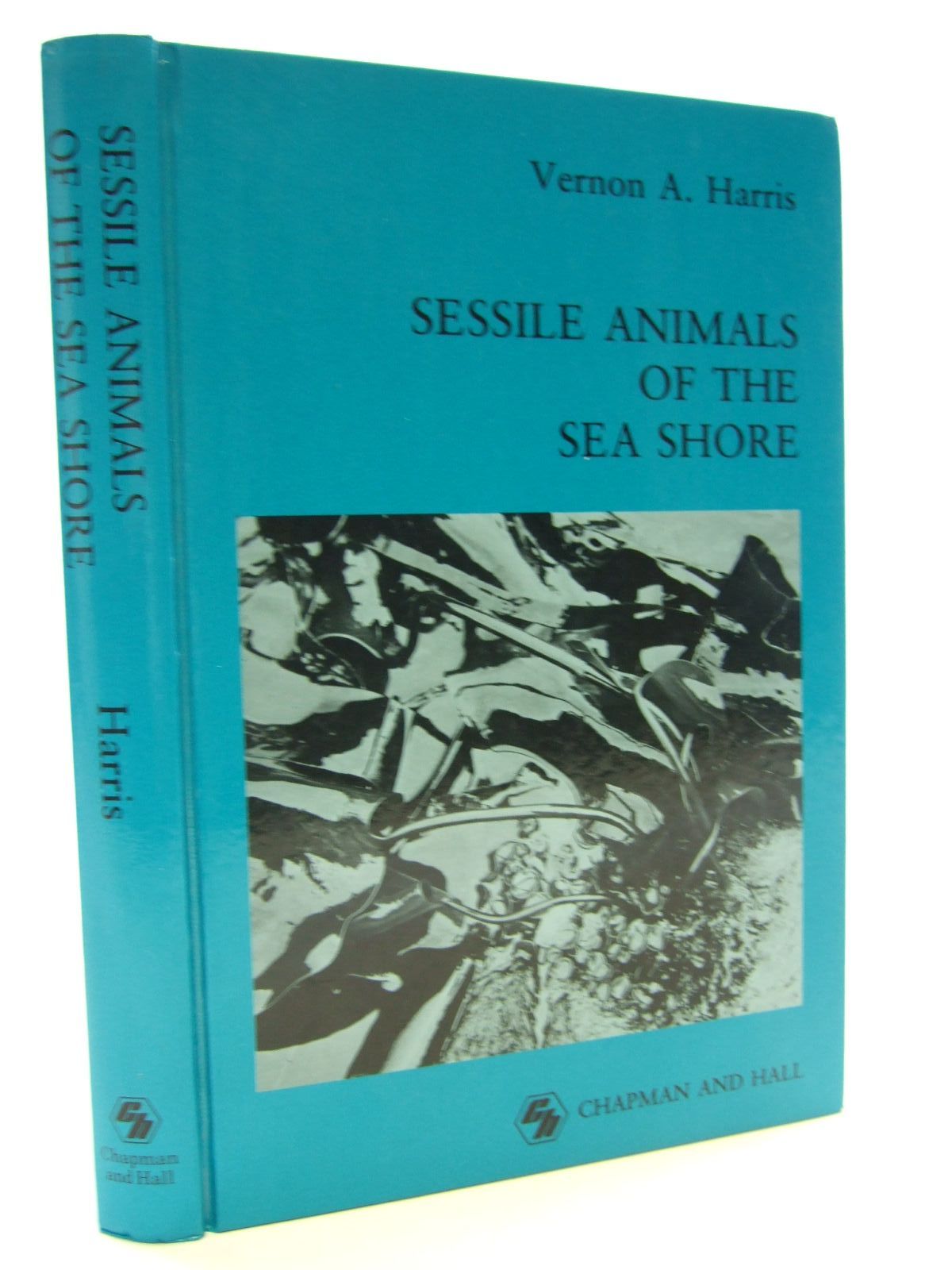
Front cover
Contents
- Preface
- 1. Sessile animals of the sea shore
- 1.1 The shore community
- 1.2 Features of the sessile life style
- 2. The sea shore environment
- 2.1 Movements of the Sea
- 2.2 Exposure to the atmosphere
- 3. The biotic environment
- 3.1 Seaweeds and micro-organisms
- 3.2 Plankton and other animals
- Summary
- 4. Requirements for life on the shore
- 4.1 Attachment to the substratum
- 4.2 Protection of the body
- 4.3 Physiological adjustments for emersion
- Summary
- 5. Acorn barnacles
- 5.1 Structure of acorn barnacles
- 5.2 Representative intertidal barnacles
- 5.3 Structural adaptations for shore life
- 5.4 Growth of barnacles
- 5.5 Movements of barnacles
- 5.6 Reproductive specializations for shore life
- 5.7 Physiological adjustments of barnacles
- Summary
- 6. Mussels and oysters
- 6.1 Representative intertidal species
- 6.2 General organisation
- 6.3 The shell
- 6.4 Attachment to the substratum
- 6.5 Nutrition
- 6.6 Reproduction
- 6.7 Metabolic adaptations to shore life
- Summary
- 7. Tube-dwelling worms
- 7.1 Representative species from rocky shores
- 7.2. Structures related to a tubicolous life cycle
- 7.3 Tube secretion in Serpulidae and Spirorbidae
- Summary
- 8. Sea Squirts
- 8.1 Representative sea squirts from the shore
- 8.2 The integument of tunicates
- 8.3 Blood and circulation
- 8.4 Generation of feeding current
- 8.5 Sexual reproduction
- 8.6 Advantages of asexual reproduction to shore life
- Summary
- 9. Bryozoans
- 9.1 Some common bryozoans of the littoral zone
- 9.2 Protection and attachment
- 9.3 The lophophore and feeding
- 9.4 Reproductive strategies
- Summary
- 10. Sea anemones and related animals
- 10.1 General structure of sea anemones
- 10.2 Representative sea anemones
- 10.3 Anthozoan cnidae
- 10.4 Movements of sea anemones
- 10.5 Behaviour of sea anemones and its control
- 10.6 Physiological adaptations of sea anemones to shore life
- Summary
- 11. Hydroids
- 11.1 Structural organisations and examples of intertidal hydroids
- 11.2 Importance of the perisarc to hydroids
- 11.3 Movements and behaviour of hydroids
- 11.4 Hydroplasmic flow
- 11.5 Growth of thecate hydroids
- 11.6 Functions of the stolon
- Summary
- 12. Sponges
- 12.1 Structure of some littoral sponges
- 12.2 The skeletal system of sponges
- 12.3 Feeding currents and digestion
- 12.4 Growth and reproduction of sponges
- Summary
- 13. Colonization of the sea shore
- 13.1 Reproductive strategies
- 13.2 Larval mortality, dispersal and settlement
- Summary
- 14. Community structure and interactions
- 14.1 Interaction between different species
- 14.2 Interaction between members of the same species
- 14.3 Predators
- 14.4 Distribution of animals on the shore
- 14.5 The dynamic nature of the shore communities
- Summary
- Appendx: Classification of sessile shore animals
- References
- Systematic index
- Subject index