Stella and Rose's Books Logo

Stella & Rose's Books

Specialists in Rare & Collectable Books

Beeswax - Part Two - The Chemistry and Uses of Beeswax
(This is the second part of our Beeswax mini series contributed by Bernice. Part one is here.)

I joined the family bee business about 9 years ago, although I had been helping out for a long time before that. There are many aspects to the job and dealing with the surplus beeswax from the honey extracting is one of them. The filtering, cleaning and re-milling of the wax to go back into the hives I find enjoyable and very satisfying. The wax is a valuable part of the harvest for both beekeepers and the bees. We depend on the bees and they depend on the wax.

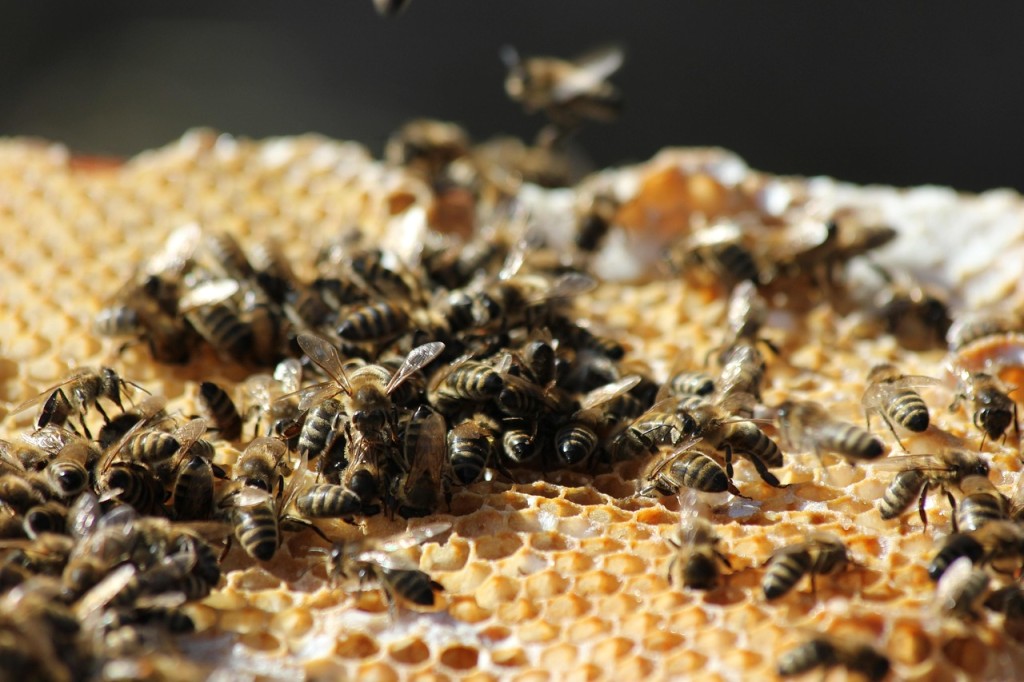
The primary chemical components of beeswax are esters, fatty acids, and hydrocarbons. Beeswax esters are unique to beeswax and give it its characteristic properties. They are formed through the reaction between the fatty acids secreted by the wax glands and long-chain alcohols produced by bees. This chemical composition is what sets beeswax apart from other waxes and results in several distinct properties, such as its malleability, water-repellent nature, and its ability to remain solid at a wide range of temperatures. This makes it ideal material for a huge range of applications.  
(Published on 1st Oct 2025) Read full article

Beeswax - Part One - The History of Beeswax

Beeswax is a remarkable substance and is the only animal-based wax. All others are plant based.

Beeswax and History

I knew beeswax had been used for a long time but did not realise for how long. By 3000BC there was already established technology involving the use of large quantities of wax. In ancient Egypt it was  used for embalming and modelling; exquisite examples of cats and eagles among other waxen figures have been recovered from graves and from the pyramids.

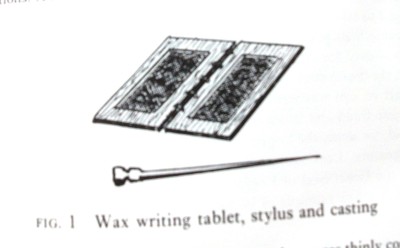
Catullus spoke of the ancient Roman love letters system by exchange of wax tablets. The recipient rubbed out the message and wrote the reply on the smoothed sheet of wax usually using a diptycha and stylus.  How sensible, with no evidence left behind for blackmail or breach of promise! The diptycha is a pair of facing light wooden pages thinly coated with beeswax and hinged together. The stylus was often made of carved ivory, with a sharp point for writing at one end and a broad chisel shape at the other for rubbing out.

(Published on 9th Sep 2025) Read full article

Garden Shed Building for Beginners

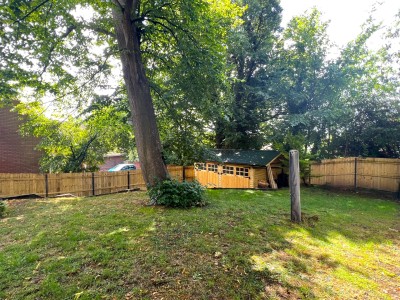
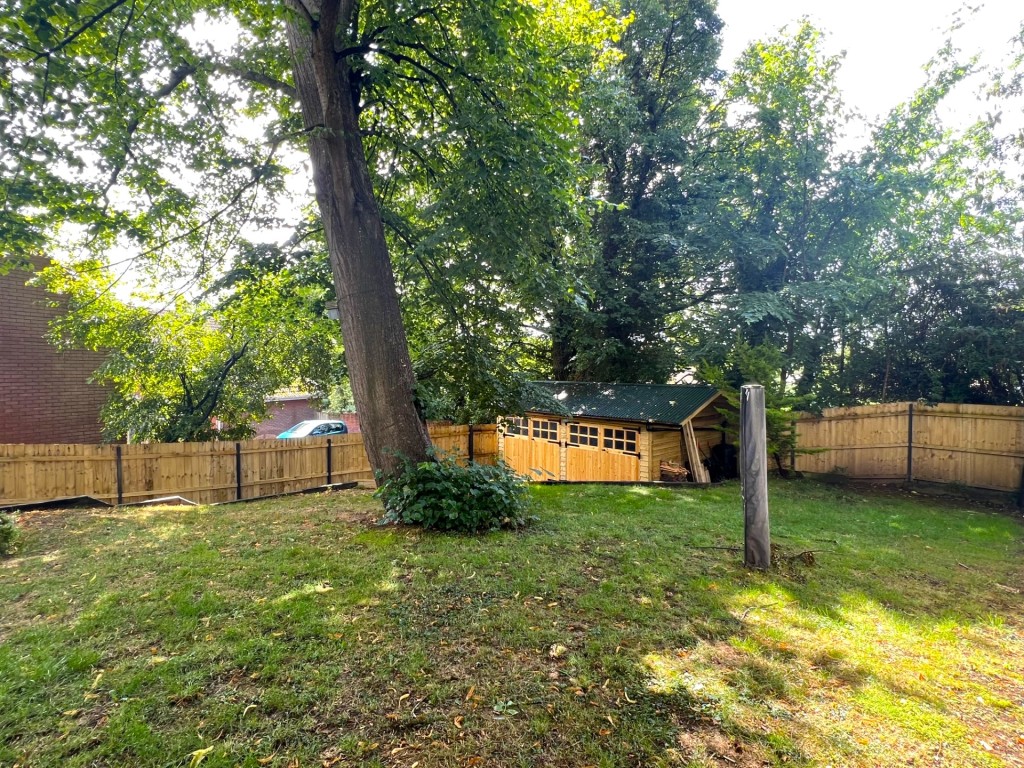
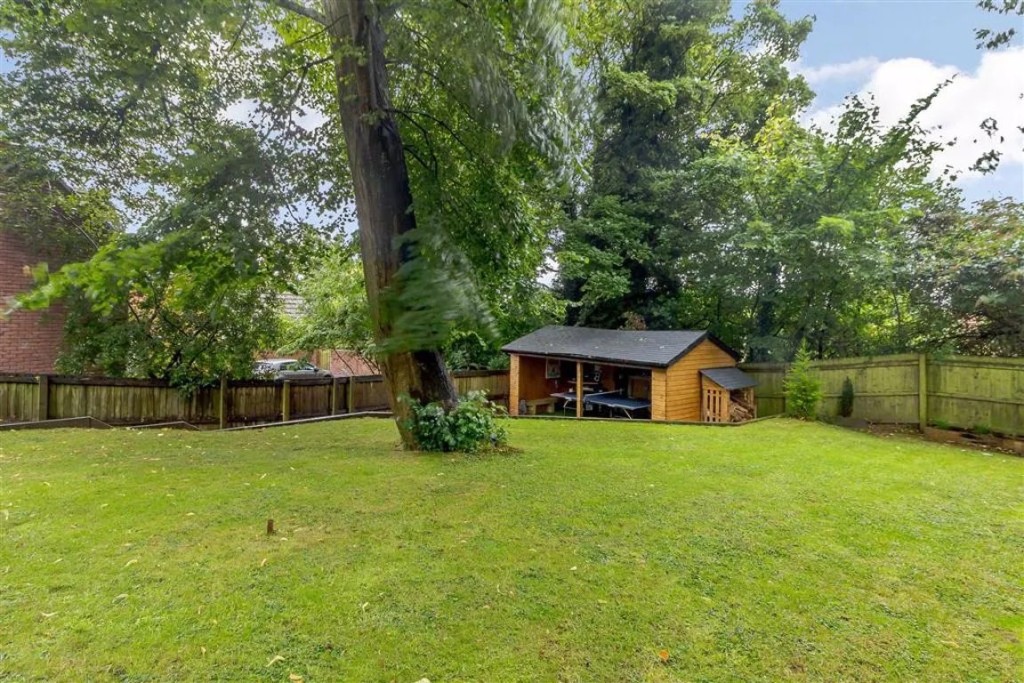
When we moved into our current house in Chepstow four years ago, it had a large shed or garden room at the bottom of the garden. The shed had been built as a lockdown project using a lot of recycled materials. It was open fronted and was being used as a games room with a table tennis table and darts board.

New Shed / Old Shed  

Needless to say, I was excited with the possibilities of the shed. As a wannabee carpenter, I really wanted a workshop where I could hide away and tinker on various projects.

(Published on 1st Aug 2025) Read full article

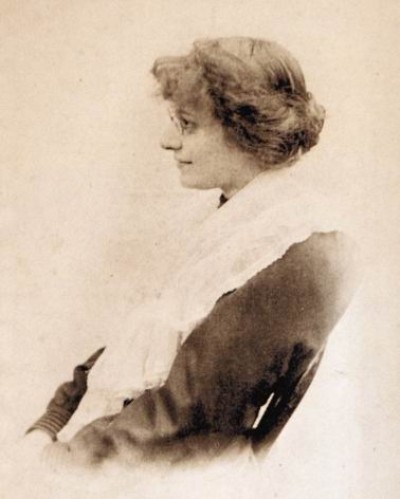
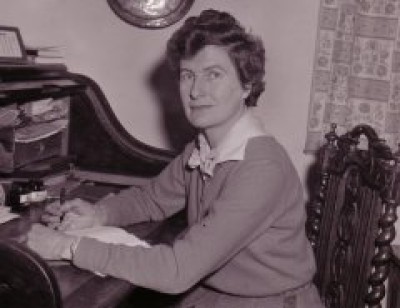
Eleanor Farjeon 1881-1965

Many of you will know of the popular hymn ‘Morning has Broken’, not so well known is that it was penned by Eleanor Farjeon, a much-loved children’s author.

Eleanor Farjeon (Wiki)  

Eleanor was known as ‘Nellie’ in the family. She had one elder brother, Harry who was a composer, and two younger brothers, Joe and Herbert (‘Bertie’) who also became writers. Her mother, Maggie, left the upbringing of the children to her eldest son. Harry had a fertile imagination, he loved rules and organising things. Eleanor was closest to Harry and enjoyed a game of ‘Tar’ with him which allowed her to escape realism and played a part in delaying her move into maturity.

(Published on 1st Jul 2025) Read full article

The Devil’s Pulpit

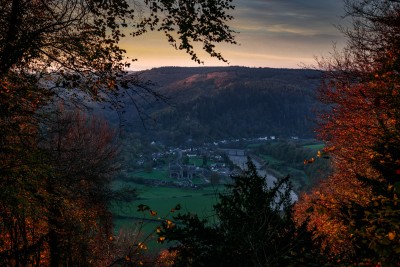
There is a lovely walk, local to Tintern, in the Wye Valley, which takes one to the Devil’s Pulpit via Offa’s Dyke Path on the Gloucestershire side of the River Wye. It is a beautiful woodland walk, the paths are well marked and maintained. If it has been wet you will probably (there’s actually no ‘probably’ about it, you will) need the right footwear. There are a few ways to approach the pulpit which is a rocky limestone outcrop and a scenic viewpoint in the Forest of Dean. It is widely known for its views across the River Wye to Tintern Abbey, on the opposite bank of the river, in Monmouthshire, Wales.

(Published on 3rd Jun 2025) Read full article

Space – An Awfully Big Adventure!

I have recently read the book ‘Orbital’ by Samantha Harvey, which is beautifully written and well deserving of winning the Booker Prize 2024.

The story takes place over 24 hours and tells the story of six astronauts/cosmonauts on board the International Space Station as it orbits the Earth. There are only sixteen chapters in the book, which cover the sixteen 90-minute orbits of the earth which equals sixteen sunrises and sunsets!

I am now hooked on watching the International Space Station orbit the Earth, it is quite mesmeric and awe inspiring – thank you NASA and YouTube.

What a long way we have come from the turn of the 20th century and the scientists that were inspired by the writers of fiction - books such as ‘From Earth to the Moon’ by Jules Verne and ‘The War of the Worlds’ by H.G.Wells.

(Published on 1st May 2025) Read full article

This Is The Road To Hell - Or Is It? The M25

Everyone in the UK has heard of the M25 Motorway and a vast majority of people have travelled on it at some time in their lives. 

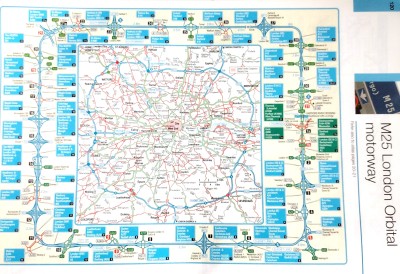
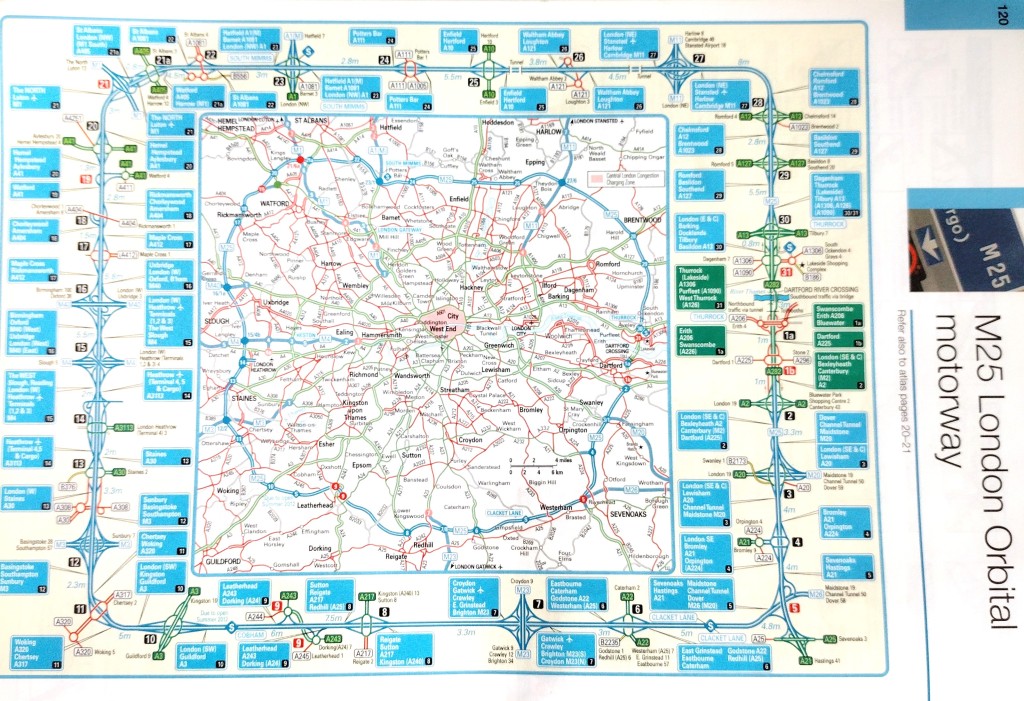
Map of the M25  

I have the pleasure (or misfortune) of travelling on it at least a couple of times a month to visit family in Kent. To make this journey from Tintern in Monmouthshire, where I am lucky to live, I take the M4 and then join the M25 at junction 15 near Heathrow Airport and continue anti-clockwise to junction 2 which is just before the Dartford Crossing.   I join the M25 at Junction 15 which is all well and good, but you are actually joining it in lane three of six fast flowing lanes of traffic as shown in the photograph below.

(Published on 1st Apr 2025) Read full article

More About the River Wye

With Stella & Rose’s Bookshop sitting on the banks of the River Wye it’s natural that it holds a fascination for us. With the river being tidal from its junction with the River Severn, for about 15 miles to Brockweir the next village upriver from Tintern, the vista is constantly changing.

The valley of the River Wye has some of the most breathtaking landscapes in the UK. In fact, Tintern, where our shop is located, has been referred to as “Little Switzerland” due to the dramatic scenery surrounding the village. Being an Area of Outstanding Natural Beauty (ANOB) and a Site of Special Scientific Interest, (SSSI) and thus protected, the Wye Valley and Tintern offers much to lovers of wildlife, hiking and, of course, books!

(Published on 1st Mar 2025) Read full article

Tintern Abbey

A Tale of Two Abbeys

We all know Tintern Abbey is in the Wye Valley and is the only one. Well, apparently not.

A random question from one of our customers got me doing a bit of research and I was surprised to find out that there is another Tintern Abbey. I thought I would do a bit more digging and find out about the monks and how they lived along with the history of the abbeys.


Tintern

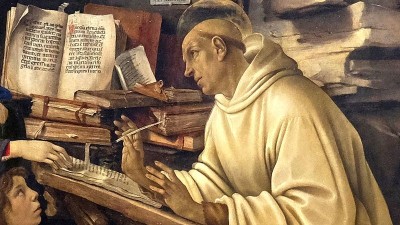
Tintern was founded in 1131 by Walter fitz Richard (d. 1138), the Anglo-Norman lord of Chepstow, and a member of the powerful family of Clare. Walter of Clare was also related by marriage to Bishop William of Winchester, who had introduced the first colony of White Monks to Waverley in 1128. Tintern was the first Cistercian house to be founded in Wales and the second in the British Isles after Waverley.

(Published on 1st Feb 2025) Read full article

Monica Edwards

Monica Edwards  

Twenty-seven years ago, this month (January 2025) Monica Edwards died aged 85.  Over a period of almost 30 years she had published 35 books, including her two best known series of novels the ‘Romney Marsh’ and ‘Punchbowl’ books. 

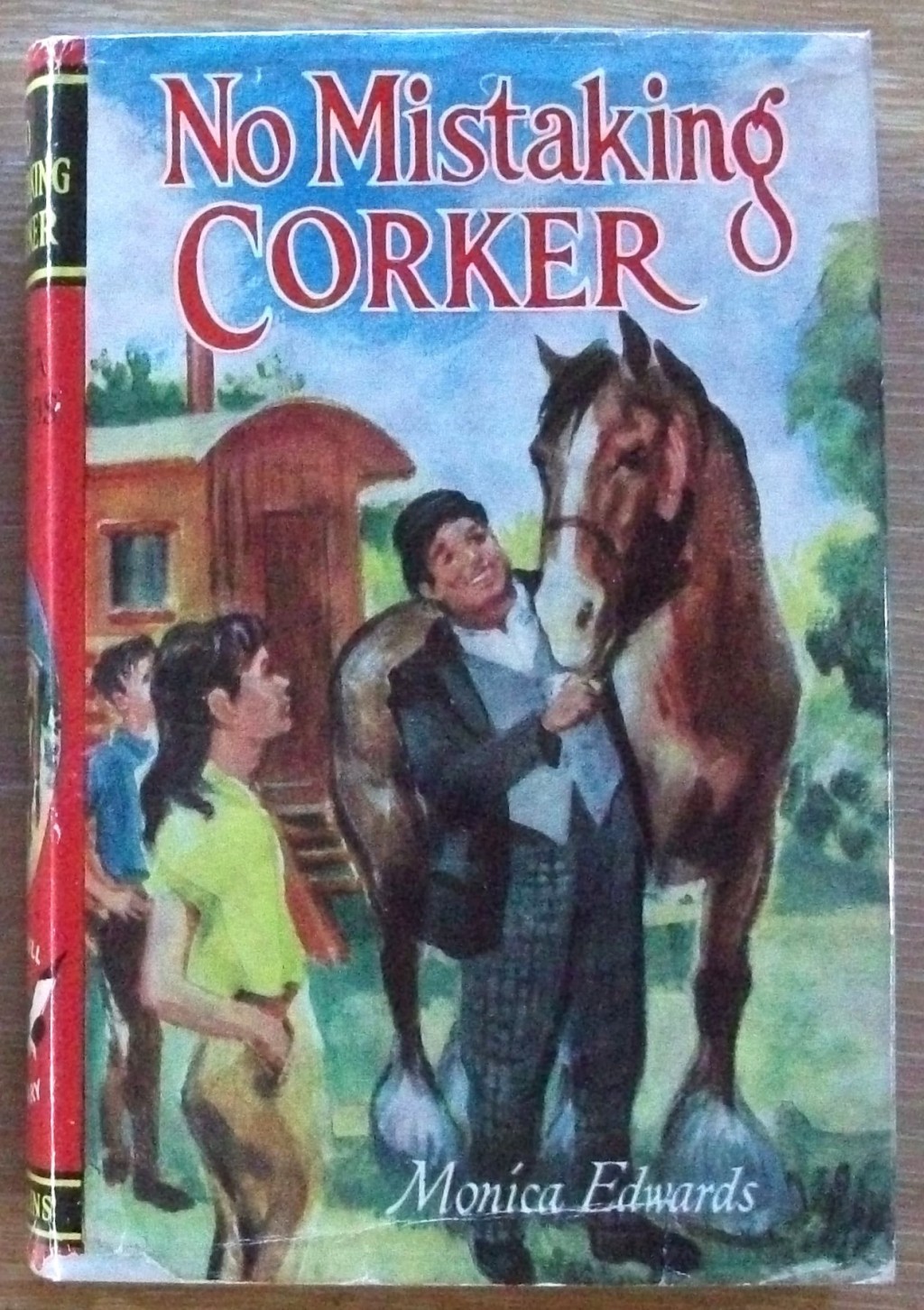
Anne Bullen - The Black Riders / No Mistaking Corker  

It was 1947 when Monica wrote her first book and the first of her ‘Romney Marsh’ series ‘Wish for a Pony’.  It was marketed as a ‘pony’ book by her publisher Collins and illustrated by Anne Bullen, a leading pony book illustrator.  Collins seemed to want to market her as a ‘pony’ author, maybe trying to capitalise on the success pony authors like Ruby Ferguson and Lorna Hill were having at the time. But in 1949 Monica wrote ‘The Midnight Horse’ introducing two boys into the story and made a determined effort to break away from her ‘pony’ author image.  When ‘The White Riders’ was published in 1950 the front cover had a very different image, as the horses were ghost-like wraiths from a different artist, Geoffrey Whittam.  From then on, he became Edwards' chief illustrator and continued to illustrate most of her future books.

(Published on 1st Jan 2025) Read full article

Henriette Willebeek Le Mair

I have recently been pricing up a large collection of Children’s books. In amongst them were two items illustrated by Willebeek Le Mair. I loved the illustrations. Similar to Mabel Lucie Attwell (my favourite illustrator), Henriette seems to be able to capture the beauty and innocence of little children so well in her elegant watercolour illustrations. I decided to do a little research on her and this is what I found.

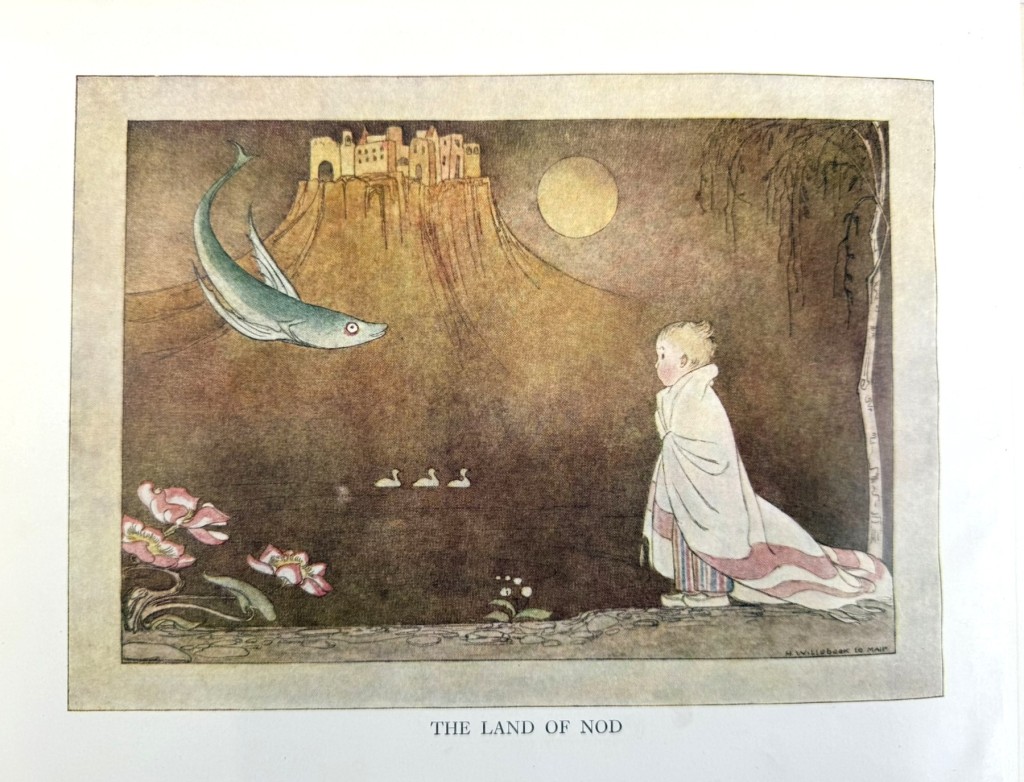
The Land of Nod (A Child's Garden of Verses)  

Henriette was born in Rotterdam in the Netherlands in 1889. Both of her parents were themselves artists and they greatly influenced her as a child by writing verses for her to illustrate. Another important influence on Henriette’s artistic development was the French illustrator Maurice Boutet de Monvel (himself greatly influenced by English illustrator Kate Greenaway) as her parents took Henriette to visit De Monvel in Paris for advice.

(Published on 1st Dec 2024) Read full article

The Brothers Grimm

We may not all be familiar with the title ‘Kinder – und Hausmarchen’, but you will be familiar with the Folk Tales within – Cinderella, Hansel & Gretel, Little Red Riding Hood, Rapunzel, the list goes on!

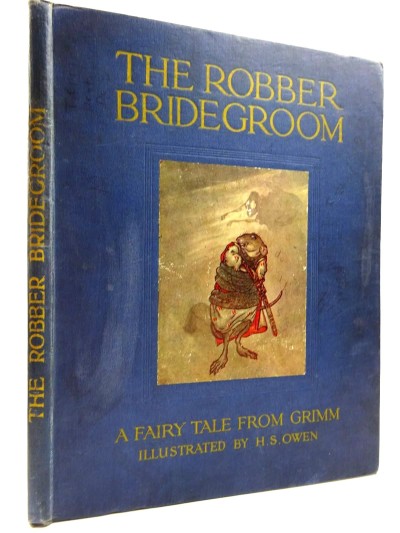
The Robber Bridegroom / Hansel & Gretel  

Jacob and Wilhelm Grimm were German academics who collected and published folklore and their first book was published in 1812.

In 1796, when the brothers were quite young, their father died. As a result they experienced great hardship growing up, but they worked hard at school and excelled in their studies.

(Published on 1st Nov 2024) Read full article

Fairy Wings to Armour Plating

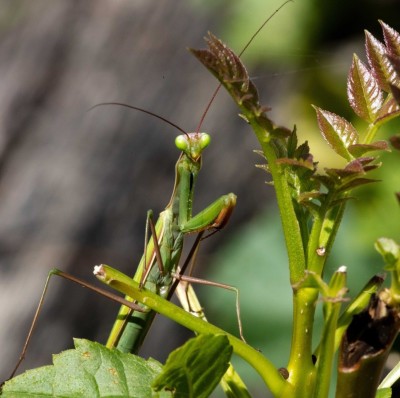
What a contrast! Where can we find that kind of variety in the natural world? In the world of insects! Over one million species of insects have been discovered and described but it is estimated that there may be as many as 10 million species on earth.  There are approximately 1.4 billion insects for every person on Earth and the total weight of all the insects is about 70 times more than all the people. Wow! What amazing statistics from the Royal Entomological Society! Aren’t we glad that insects are such tiny creatures….

My late husband, Cliff, and I were keen natural history photographers, but while he usually had his camera pointed upwards to the sky, capturing birds in flight, mine was pointed towards the ground where the insects were going about their daily business. I’ve always been fascinated by these little creatures, although when young I did have a fear of spiders. (Yes, I know they are not insects but for the purpose of this article I am including them). Since having a tarantula as a pet and my daughter having 100 of them (really!)  I have grown out of that fear. The only fear I have now is the fear of hurting them if I pick them up to relocate them!

(Published on 30th Sep 2024) Read full article

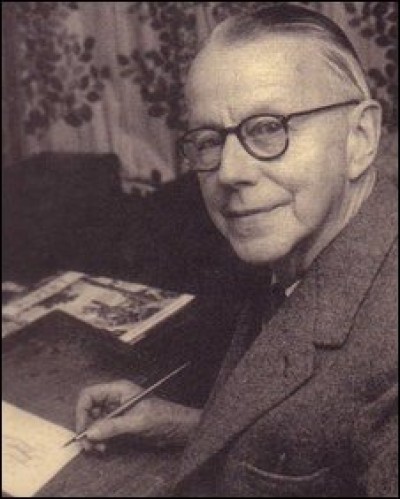
Alfred Edmeades Bestall

Born on 14th December 1892 in Burma to parents who were methodist missionaries, of the first four years of his life he has no recollection. Having been seriously injured in the upper spine, he and his sister were sent back to the UK in 1897. What had happened remains a mystery to this day. Did they fall from their pony? Fall down the stairs during a game of make-believe? Or was it a more serious event caused by their ‘ayah’ who was responsible for them at the time? Whatever the cause, his parents would not reveal it, and Bestall, although not crippled, was left with partial speech paralysis and a persistent stutter.

(Published on 2nd Sep 2024) Read full article

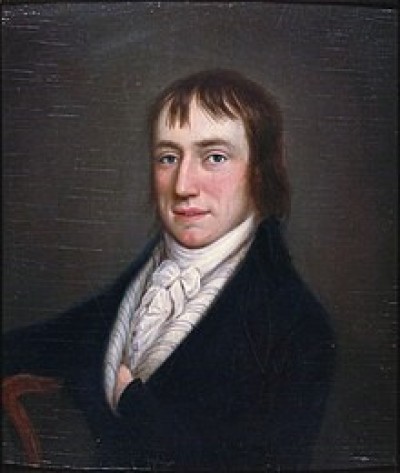
William Wordsworth and The Wordsworth Walk

I am extremely lucky where I work, as the view from my desk overlooks Tintern Abbey and the surrounding Wye Valley countryside which is stunning.  I was aware of a poem called “A Few Miles above Tintern Abbey” written by William Wordsworth so thought it would be interesting to find out a bit more about it.

William Wordsworth (WIkipedia) / Folio Wordsworth  

William Wordsworth was born in 1770 in the Lake District town of Cockermouth and was the second of five children.  Both his parents had died before he was fifteen, so the children were left in the care of different relatives.  It was in 1795, when he received a legacy from a close relative, that he and his sister Dorothy moved to Dorset and two years later moved to Somerset to be near the poet Samuel Coleridge.  In 1799 they then moved to Grasmere in the Lake District, to Dove Cottage, and it is here that he wrote his famous poem “I Wandered Lonely as a Cloud”. In 1802 he married his childhood friend Mary Hutchinson and together they had five children.  In 1813 they moved from Grasmere to Ambleside where he remained until his death in 1850 aged eighty.

(Published on 31st Jul 2024) Read full article

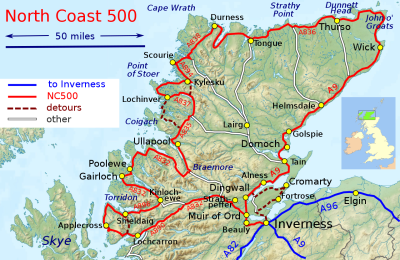
Bonnie Scotland (our NC500 trip)

We are very lucky in that we have a very nice little camper van (a VW T6) to use for our holidays. Last year we did a tour of Italy, this year we decided to travel a little closer to home and visit Scotland. We planned to follow the NC500 (North Coast 500) route but knew that we wouldn’t have time to seriously enjoy ourselves if we attempted to do the whole 500 miles from Inverness to Inverness.  We therefore decided to follow the route travelling the west coast of Scotland and just see how far we got.

(Published on 30th Jun 2024) Read full article

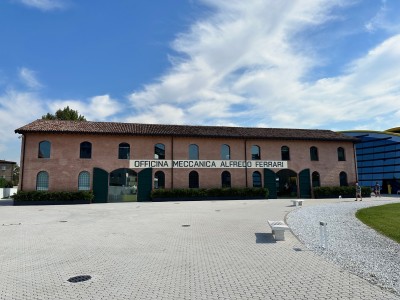
Ferrari – Books vs Cars

Whilst idly staring at a shelf of Ferrari books, (and daydreaming of owning one), a question popped into my head: which are there more of - actual Ferrari cars, or books about the iconic vehicles?

Before we attempt to answer that conundrum, a very brief history about this famous brand.

After working as a racing driver for Fiat and Alfa Romeo, Enzo Ferrari set up Scuderia Ferrari in 1929. Scuderia Ferrari was effectively the racing division of Alfa Romeo and was very successful in the pre-war years.

After a disagreement with Alfa's managing director, Ferrari left in 1939 and founded Auto-Avio Costruzioni, a company supplying parts to other racing teams. With the outbreak of World War II, Ferrari's factory was forced to undertake war production for Mussolini's fascist government. At the end of the war, Ferrari decided to start making cars bearing his name, and founded Ferrari S.p.A. in 1947. Initially, Ferrari existed to build (and race) racing cars. However, to finance his racing endeavours, the company soon started selling sports cars.

(Published on 3rd Jun 2024) Read full article

Guidebooks of a Past Era

“What dull men are those that tarry at home,When abroad they might wantonly rome, (sic)And gain such experience, and spy tooSuch Countries, and Wonders as I do.  – Cowley”

Excerpt from Highways and Byways in Northamptonshire and Rutland, by H. A. Evans (1918)

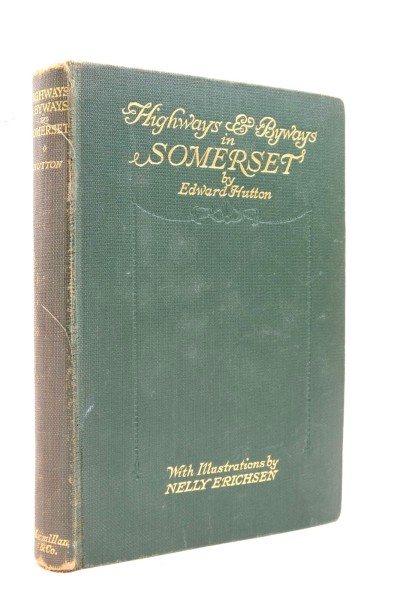
We sell a number of different types of old guidebooks in our shop and one of my favourites is the ‘Highways and Byways’ series, each with numerous illustrations, some by noted artists. The ‘Highways and Byways’ series includes 36 pocket-sized regional guides which were hugely popular in their day.  They had very distinct branding (before the word branding existed), which made them instantly noticeable, with their dark green covers (blue for the later editions) and gilt writing on the front and spine. 

(Published on 30th Apr 2024) Read full article

The Weather Forecast

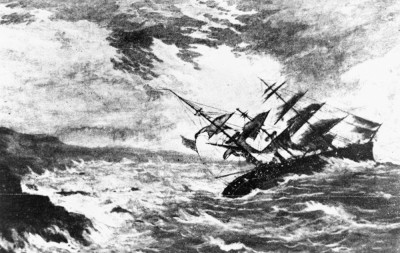
We are having to get used to the frequency and ferocity of storms. We have currently experienced more than seven storms this winter already. With this information in mind, I was very interested in an article about a shipwreck off Porth Alerth near Moelfre on Anglesey that was instrumental in the creation of the shipping forecast. As often happens, tragedy leads to a catalyst for change.

In British weather history, the Royal Charter Storm of 1859 was a devastating tempest off the west coast of Britain which played a pivotal role in the founding of the shipping forecast and has had an enduring impact on weather forecasting in the UK and beyond.

(Published on 31st Mar 2024) Read full article

Yorkshire – or God’s Own Country

Is it too early to talk about holidays? – I don’t think it is, it’s how we get through the winter months.

I am off for a short break to Yorkshire in the Spring, York to be precise. York comes from the Viking name for the city, Jorvik and shire comes from an old English or Nordic word.


I have been to York before, but not for many years now, and I am eager to reacquaint myself with all it has to offer or as much as can be accomplished in a weekend.

(Published on 1st Mar 2024) Read full article