
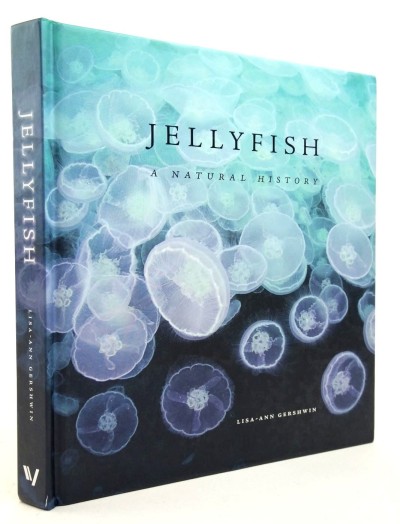
Jellyfish A Natural History by Lisa-Ann Gershwin
I saw this book on the shelf and was reminded of my own painful dealings with the Portuguese Man-of-War, twice! The first time all the tentacles wrapped around my arm and my elbow was stuck in the bent position. I can remember someone saying to pee on it would help but, even through all the pain, I was thinking eeww, which is just as well as it is a myth!
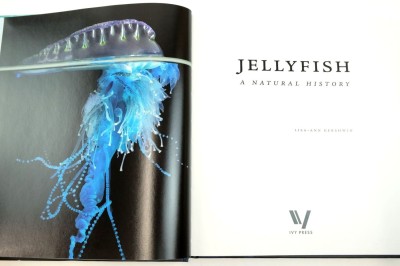
Having a look at the book I was amazed at the world of jellyfish and the amazing names such as the ‘Battering Ram Jellies’ or the ‘Long Stingy Stringy Thingy’. Whoever named them has a wicked sense of humour which had me in fits in laughter. The photographs are also beautiful and show the body patterns in clear detail.
For an animal that seems so simple there is a lot of information about them and their life history. After introducing the Jellyfish and the Ocean, the book describes the various aspects of Jellyfish through their Anatomy, their life history, their taxonomy and evolution, their ecology and finally our relationship with them.
The first sentence sets the tone of the book, and you immediately want to find out more. To quote “Jiggly, flowing, mesmerizing, alien, delicious, stingy, lethal – jellyfish are many things to many people. To the fisherman, they may be a nuisance, sometimes a costly one. To the swimmer, they mean painful and even dangerous stings. To the artist, they may stimulate and inspire. To certain entrepreneurs, they are promising sources of innovation and profit. To the curious, they are endlessly weird and fascinating.”
Although this book describes jellyfish, many people are still not sure what jellyfish are exactly. They are animals, though they lack recognizable body parts like faces and bones. They are invertebrates without a spine, but they belong to different invertebrate groups. Some are in the same category as corals, sea anemones, and sea fronds, while others belong to the lineage that eventually gave rise to humans. Despite their strangeness, jellyfish like all animals must catch food, reproduce, move around, and protect themselves. They do all this without brains, bones or blood and have been making do for hundreds of millions of years. Their simplicity works for them, and they can subsist on a broad variety of food, or no food at all, and they can reproduce in an exciting variety of ways, with or without a mate.
There are three main Lineages of Jellyfish. The most numerous and most familiar are the medusae in the phylum Cnidaria (pronounced nye-DARE-ee-uh, with a silent C). A subset of the cnidarian class Hydrozoa is a peculiar offshoot lineage known as the Siphonophores (sigh-FON-uh-fores) which come in three different body plans. The other two groups of jellyfish are the comb jellies and the salps.
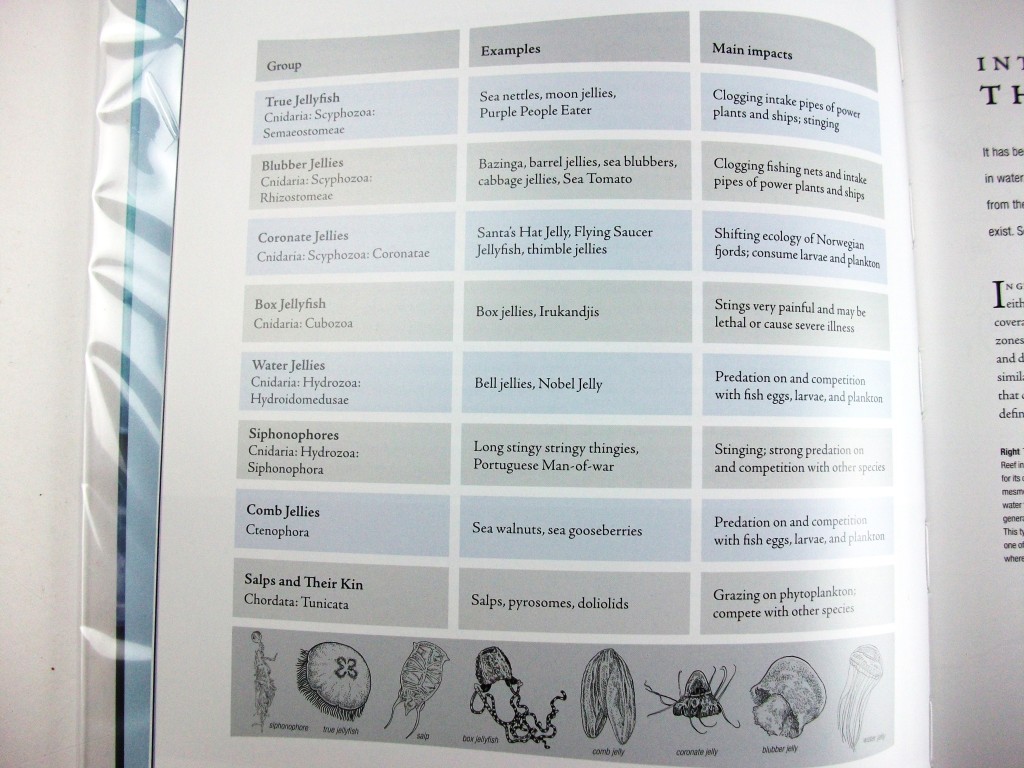
Figure 1 is a table that lists all the Groups and examples of each.
Below is a small selection of jellyfish that either have fascinating names, physiology or both.
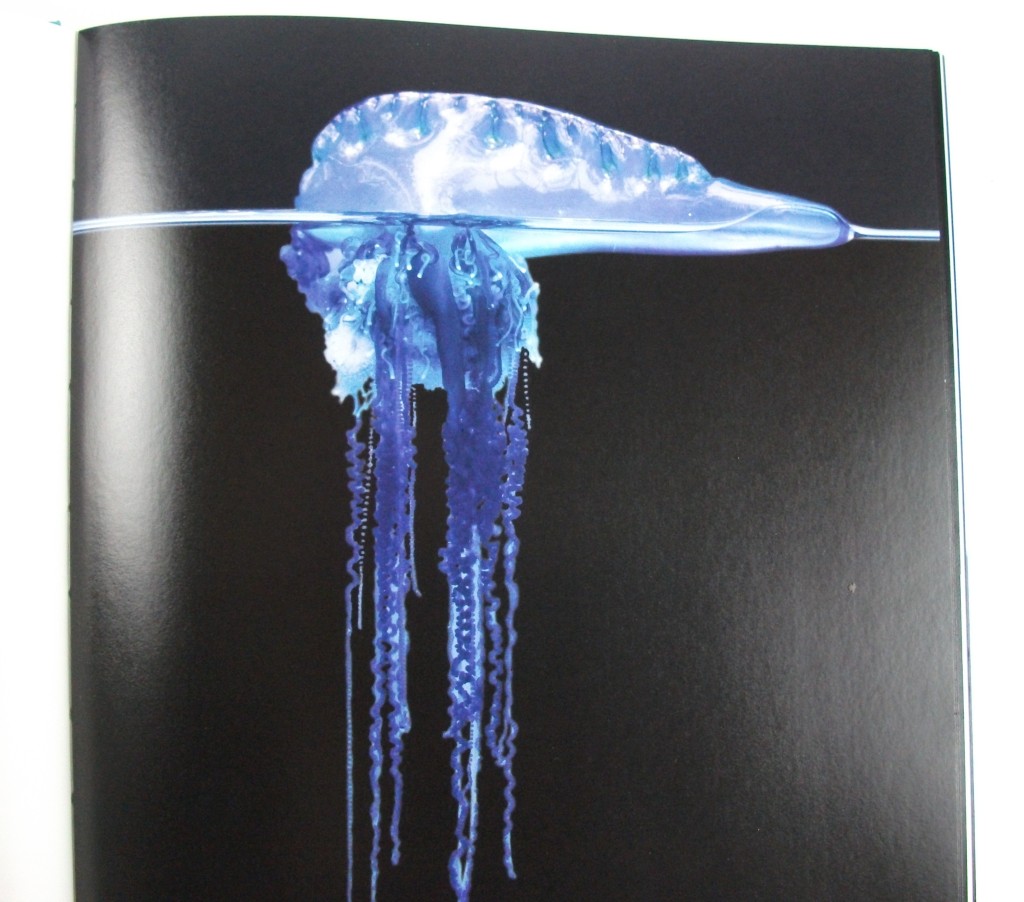
The Portuguese Man-of-War is a Cnidaria in the Siphonophores Group. It floats at the air-water interface in open ocean. The dozens of tentacles each carry enough venom to instantly paralyze a whole school of fish. The bladder of the Blue Bottle is not that big but when a big swarm is washed ashore it is difficult to walk on the beach without stepping on the tentacles.

The Clapper Jelly is a Ctenophora in the Comb Jelly Group. It is one of the weirdest jellyfish. It is shaped like praying hands which are connected at the palms. When looking straight into the mouth it looks like a cross between the Batman logo and what could be a Klingon attack vessel! It lives at a depth between 200m and 1000m. Another thing that is strange is its mode of escape. Instead of rhythmically beating ciliary paddles, it claps its lobes together in a wild flapping motion to quickly jet away from threats.
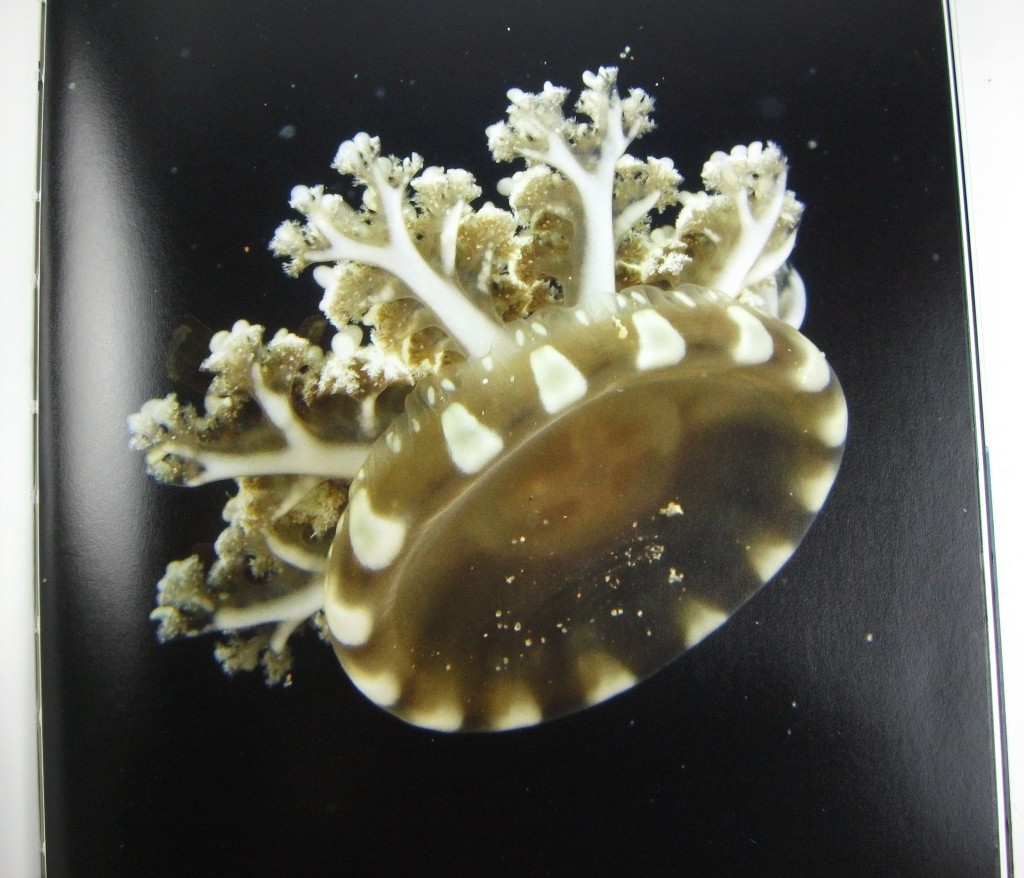
The Upside-Down Jellyfish is a Cnidaria in the Rhizostomeae order or the Blubber jellies. It peculiarly rests upside down on sediments in very shallow coastal waters. It has several unique adaptations to assist in its bottom-resting habit. Its bell is flattened, and its arms are splayed out parallel to the body, so they lay flat, for maximum sun exposure, rather than drifting vertically.
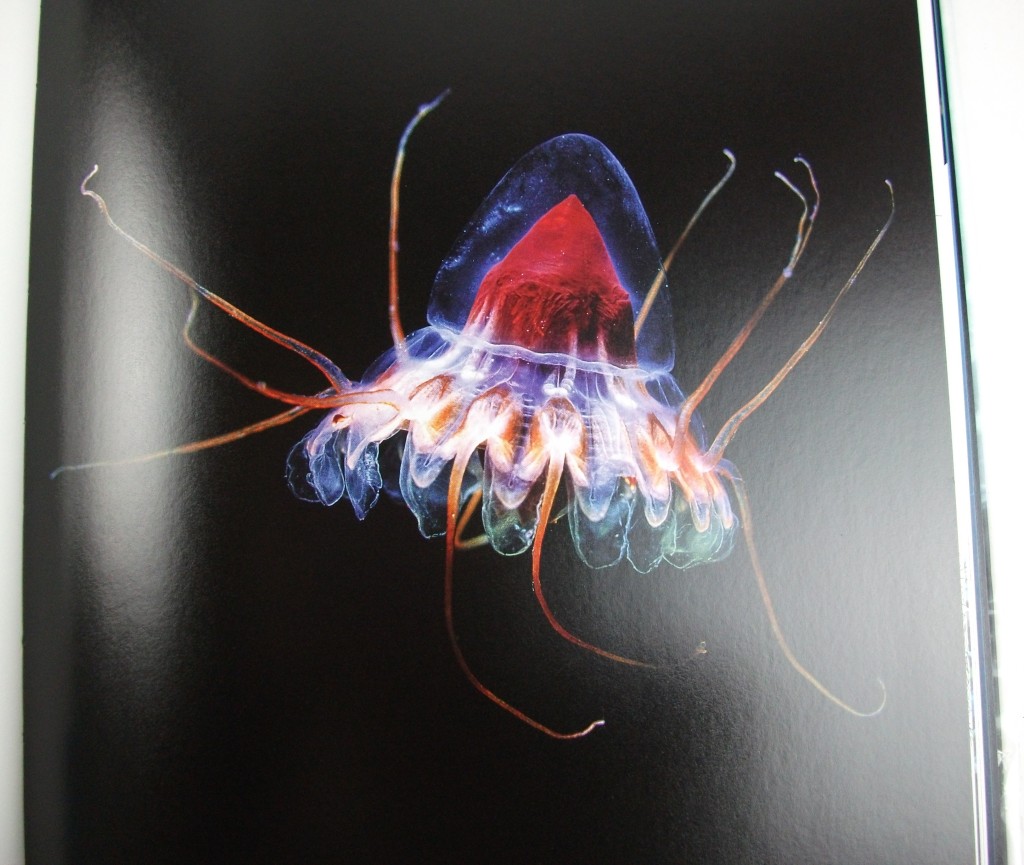
The Santa’s Hat Jelly is very colourful and is about 30cm long. It is a Cnidaria in the Coronatae order and lives deep in the ocean and is also found in all depths in the fjords of Norway where it has become a pest. Apart from looking colourful, it uses bioluminescence for camouflage, creating a sparking or twinkling appearance which belies its true size to predators. Also, its stomach is opaque red, which looks black at depth. This hides any bioluminescent responses, given off by struggling, swallowed plankton prey, from predators
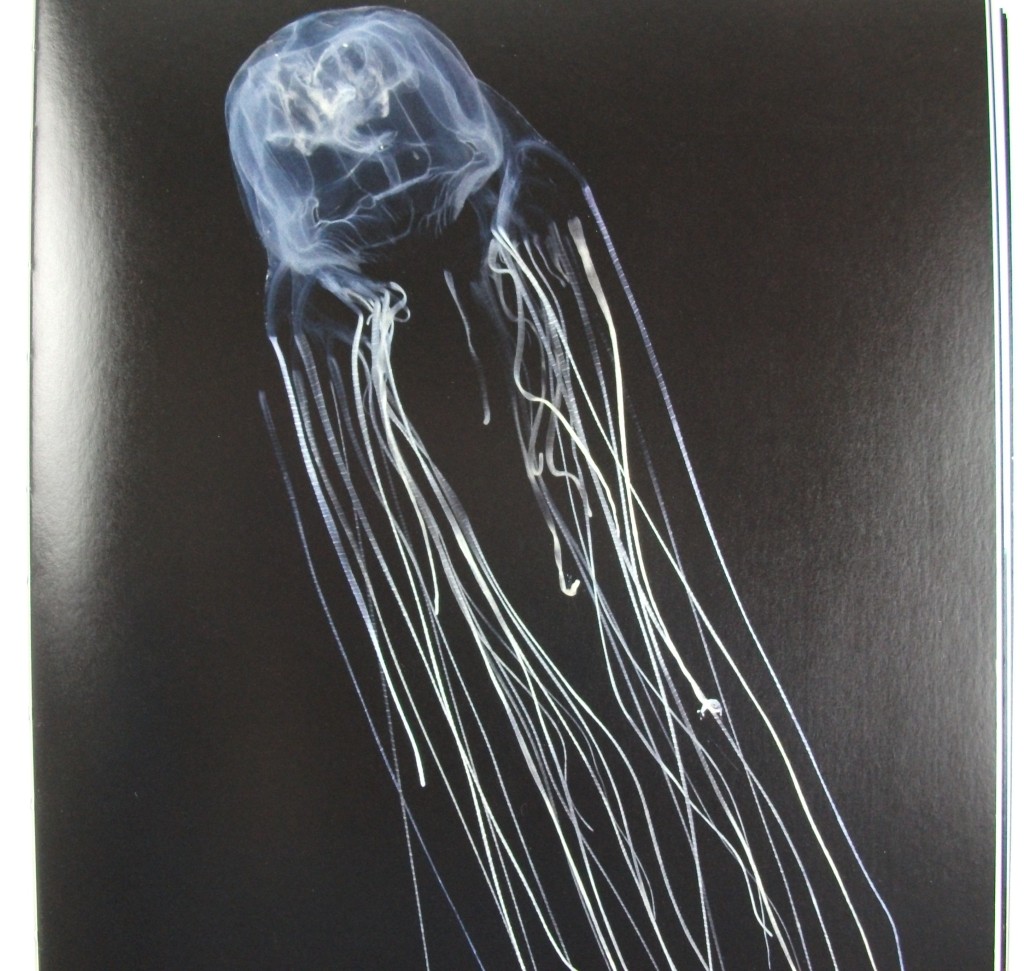
The Box Jelly fish has the dubious distinction of being the world’s most venomous animal. The sting can lock the heart in a contracted state in as little as two minutes. It is a Cnidaria in the order of Chirodropida with a box shaped body and four groups of up to 15 tentacles. It lives in shallow subtidal waters over sandy beaches and estuaries.
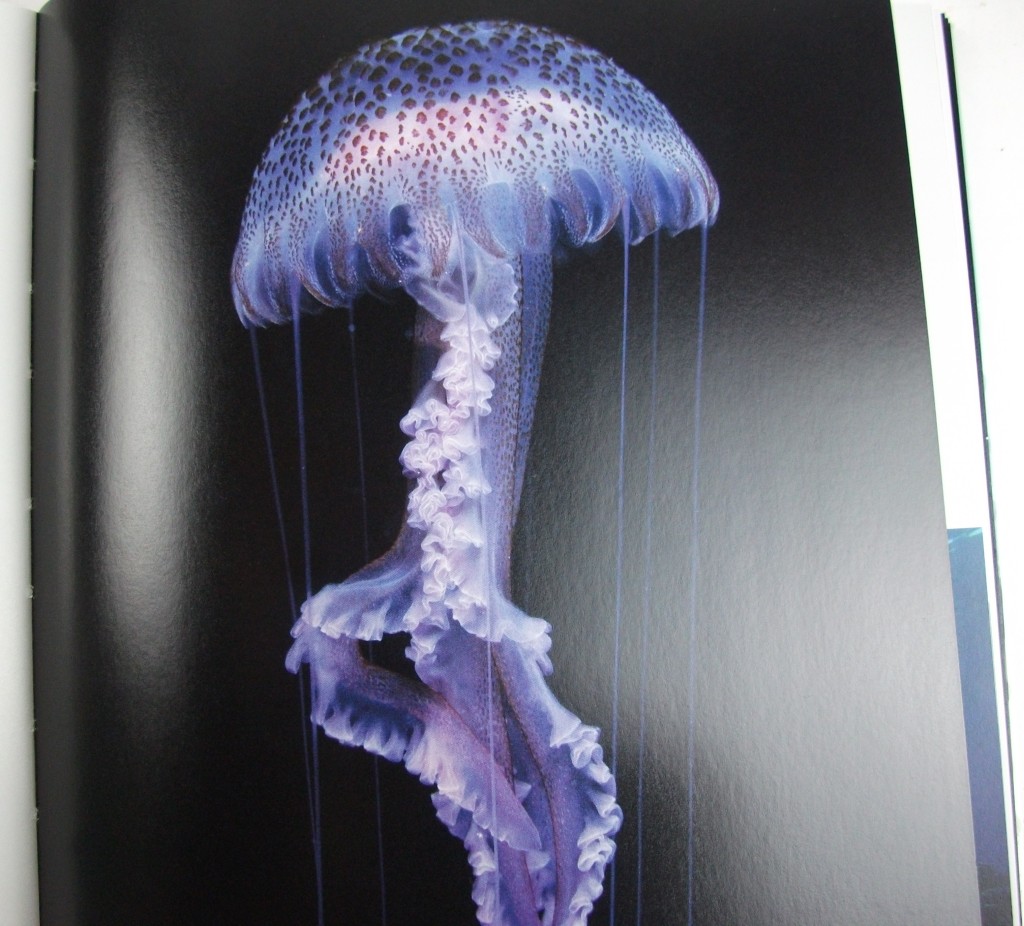
The Purple People Eater or Mauve Stinger is a Cnidaria in the Semaeostomeae order and is a member of the True Jellyfish. It lives in the top 200m of the ocean and is a common pest especially in and around the Mediterranean. It has eight long, fine tentacles and four ruffled oral arms. It travels en masse and its sting is fierce. In recent years its blooms have shut down swimming along entire coastlines of Spain and France.
A few other amazing looking jellyfish:
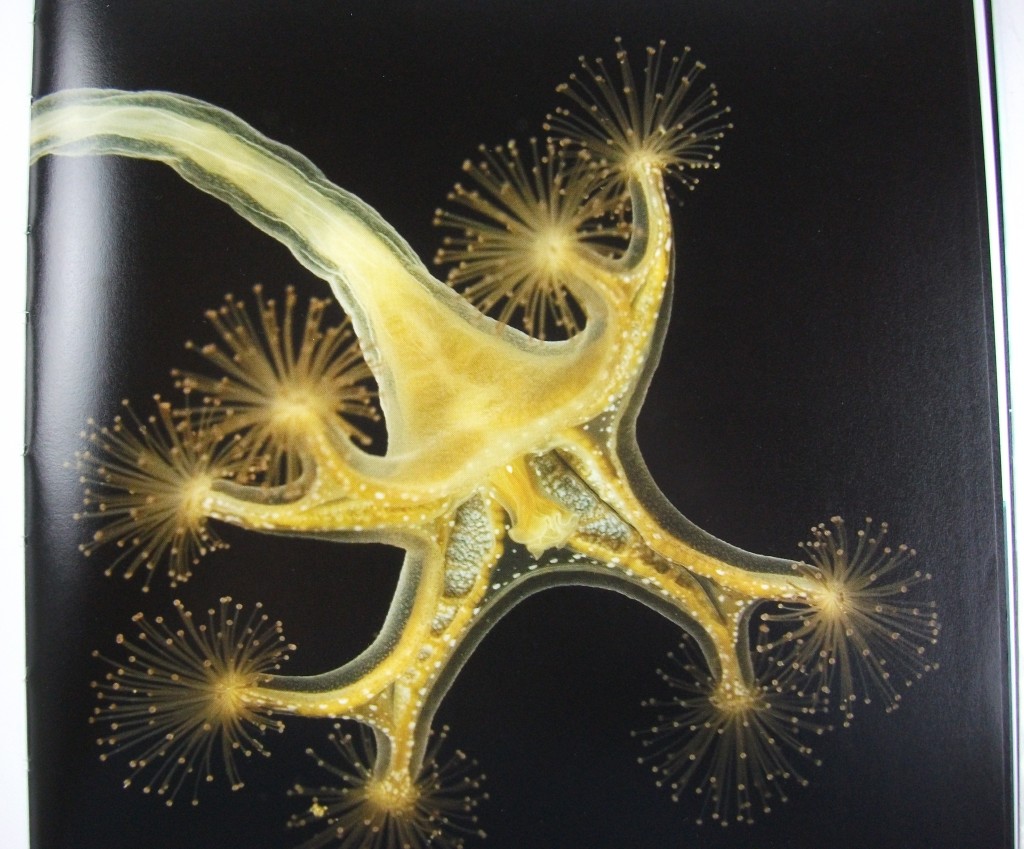
The Stalked jellyfish is up to 2.5cm and is a bottom dweller not far offshore.
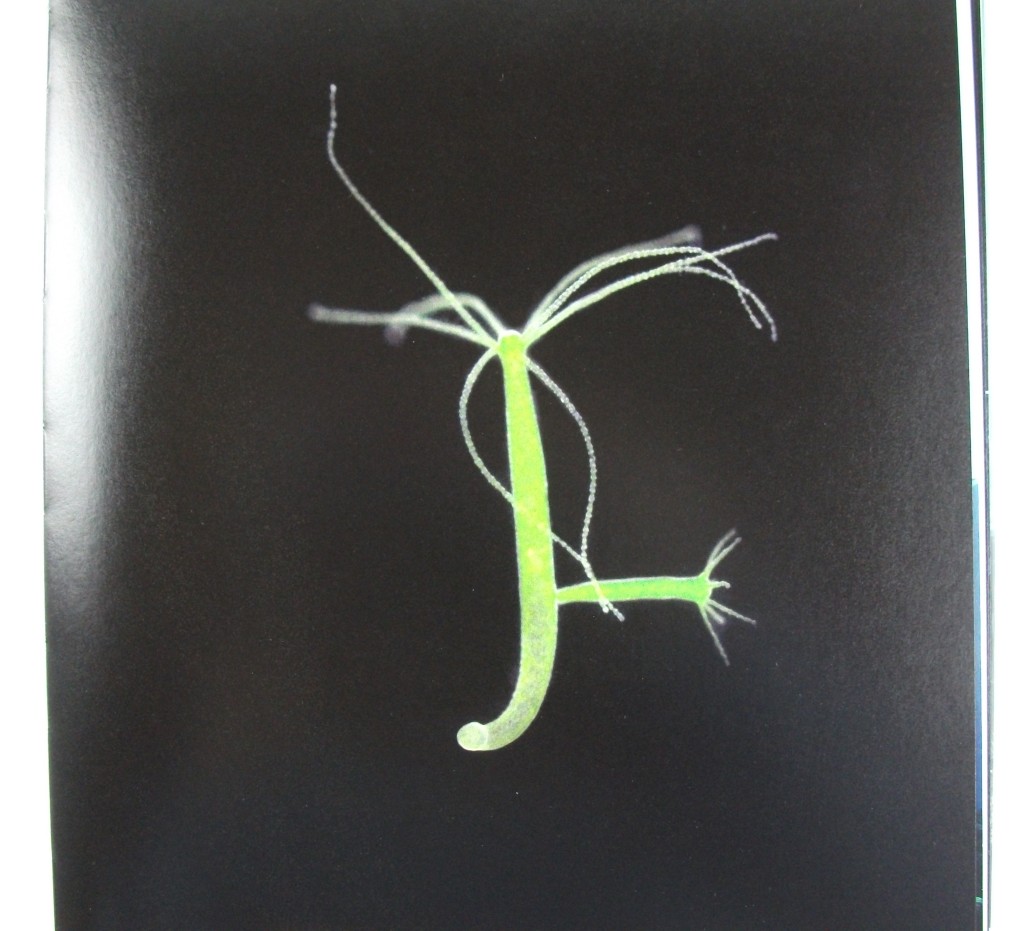
The Gorgons of the Pond are up to 1.5cm long and are either bottom dwelling or suspended from the surface film in fresh water. It is in the Medusozoa group but is not a medusa at all.
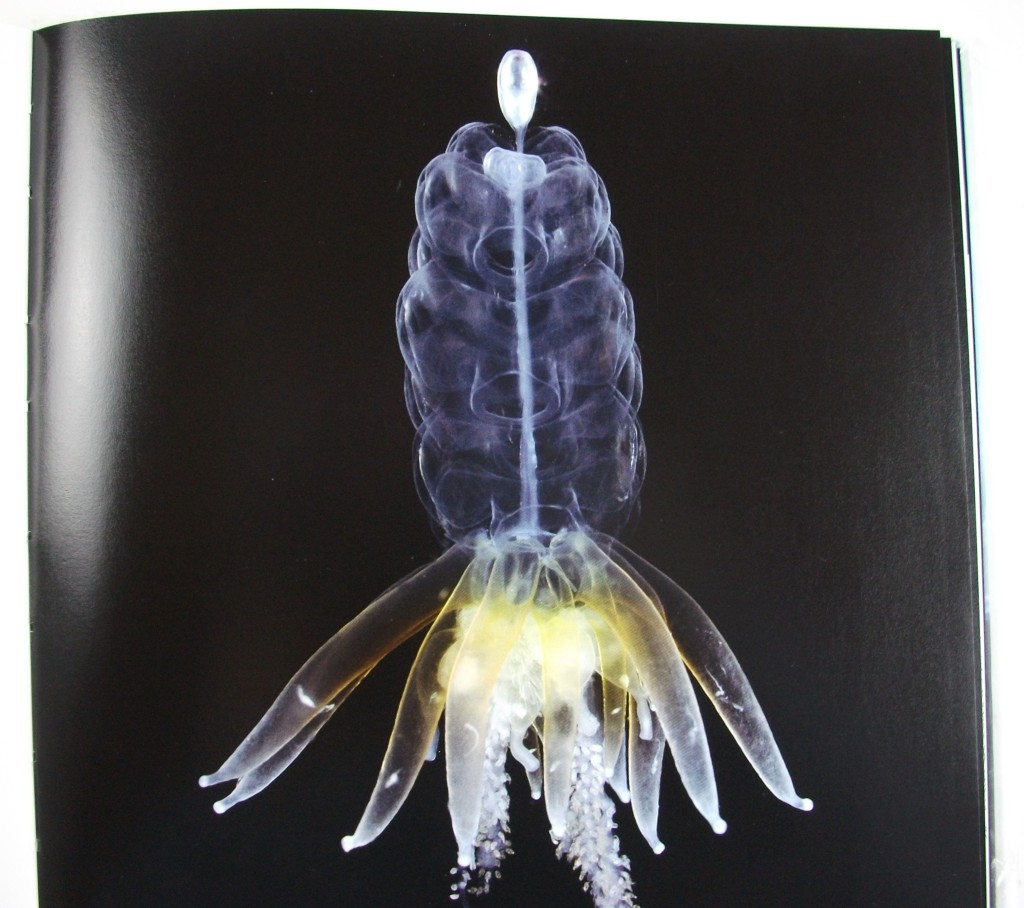
The Hula Skirt is a colony about 8 to 12cm long. It lives in the midwater zones of the open ocean.

The beautiful Sailors in the Wind are 1 to 5cm in diameter and float at the air-water interface. They are upside-down floating polyp colonies that move around one breeze at a time.
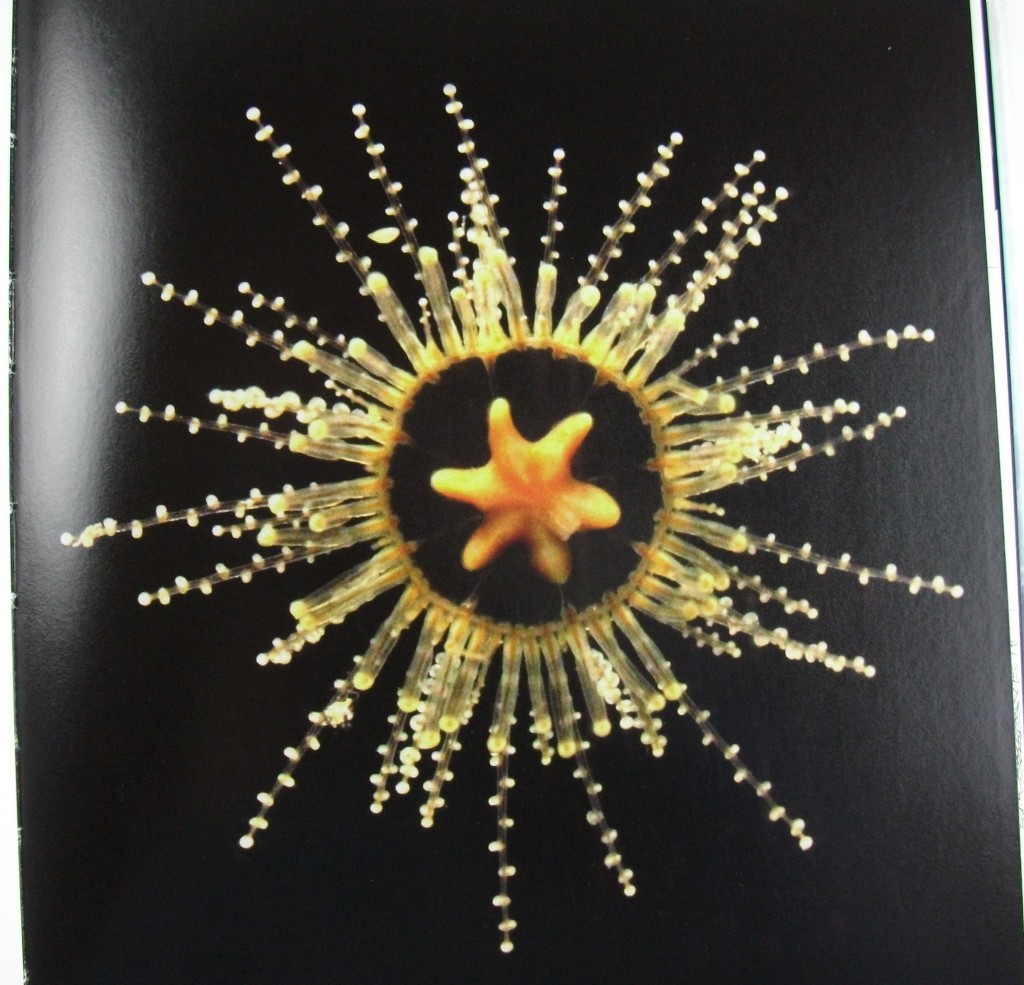
The Leaf-Crawler Jellies are up to 2.5mm in diameter and are unable to swim. They spend their lives crawling among algae and sea grasses on their tentacles.
Apart from their funny names, this is a fascinating book with so much more information about these amazing creatures and makes an enjoyable and informative read.
P.S. Coincidentally, Hannah Fry and Daro O Briain were discussing the Immortal Jellyfish life cycle as featured in this book on the radio programme Curious Cases. Very interesting to listen to. You can listen on BBC sounds, series 24, Immortal Jellies, aired on 22nd of November 2025.
Contributed by Bernice
(Published on 9th Dec 2025)