
Beatrix Potter (celebrating the 125th Anniversary of Peter Rabbit)
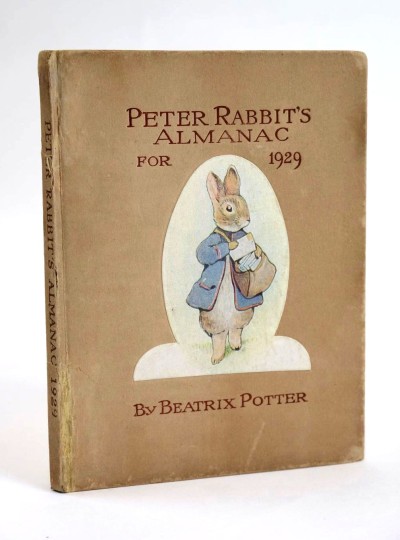
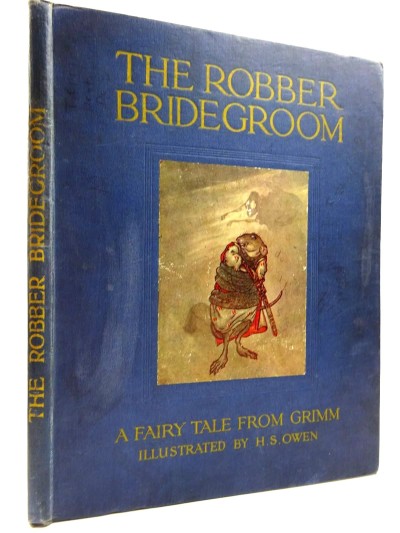
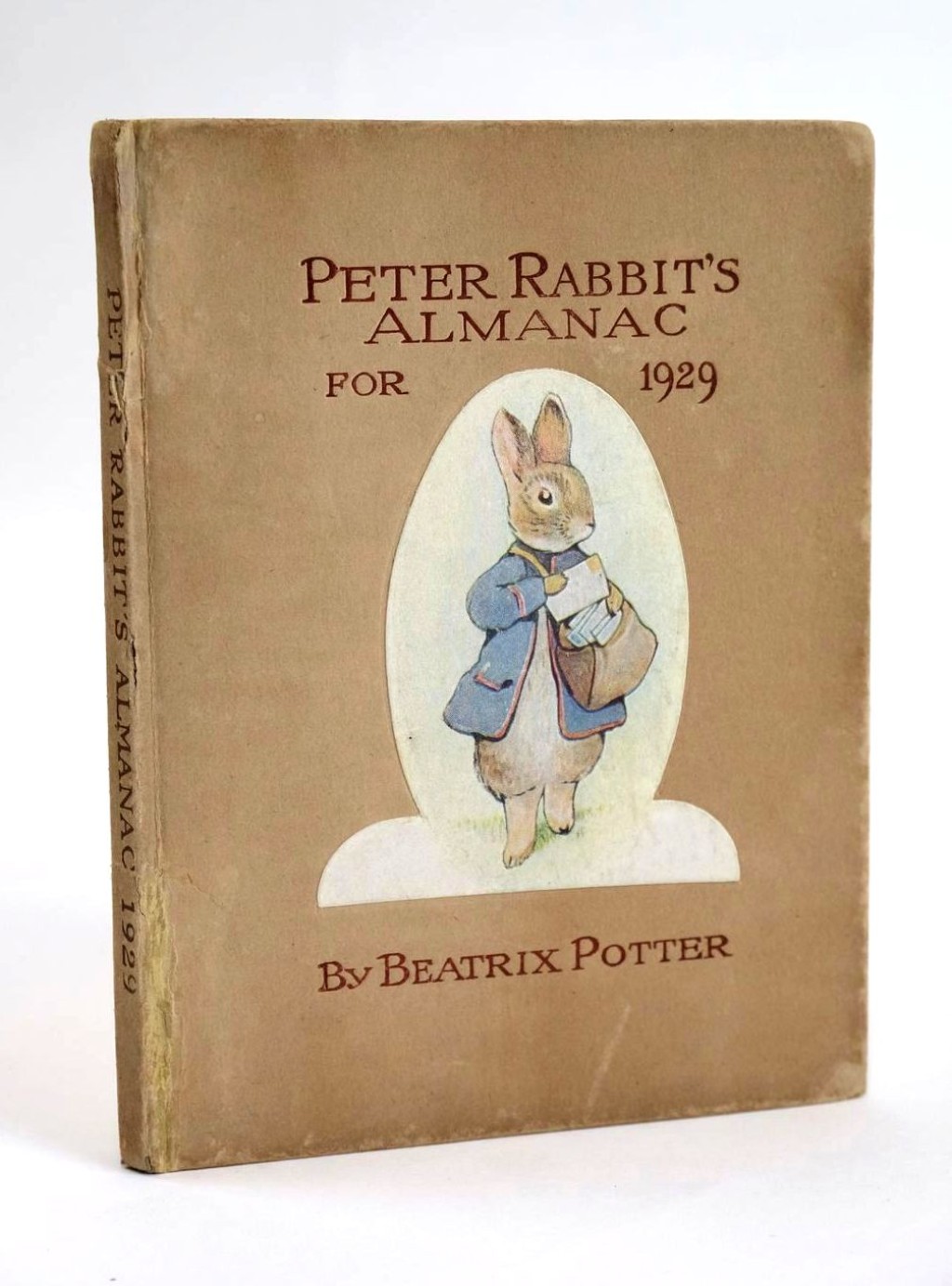
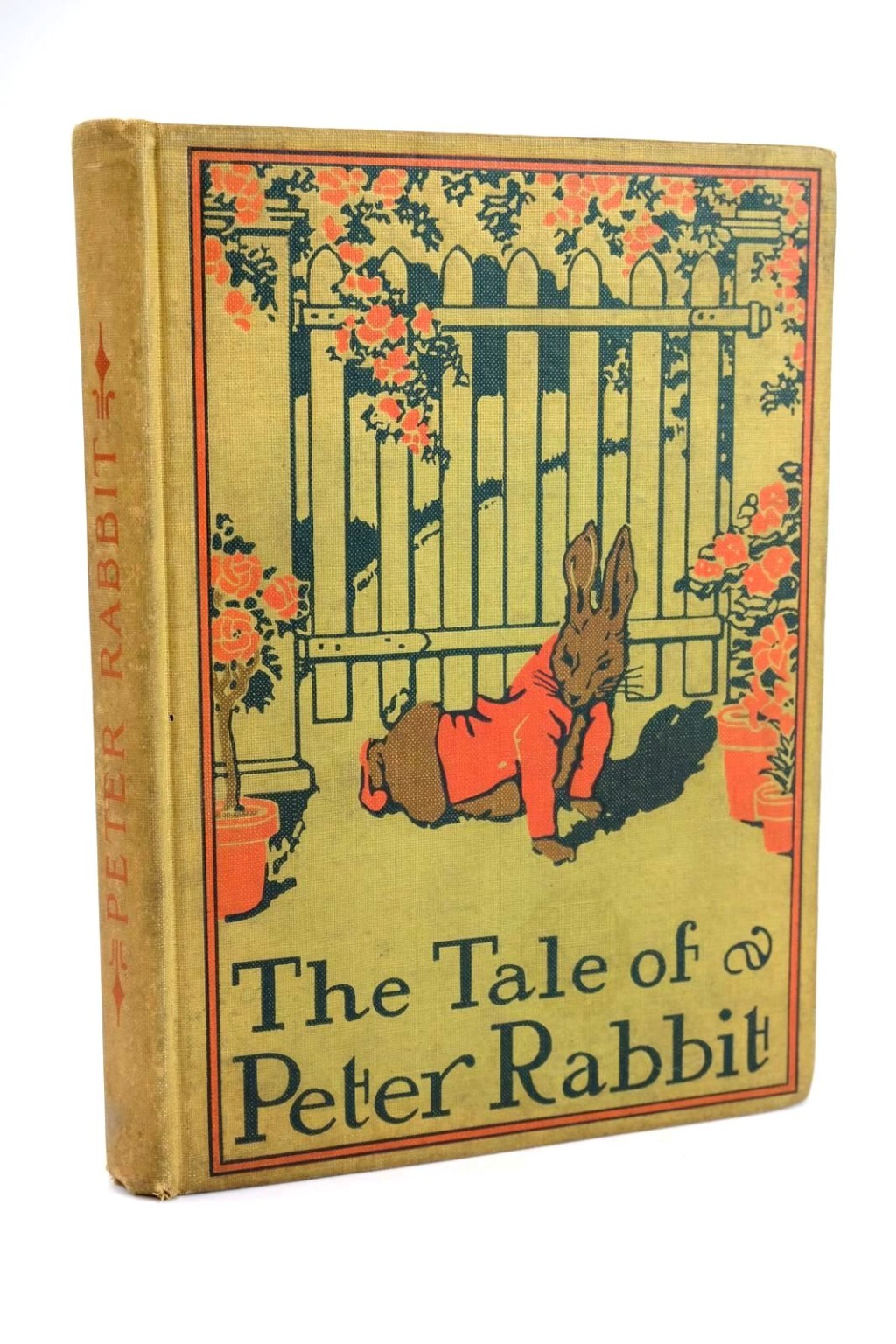
As it is an important anniversary of Peter Rabbit this year and it has been a long time since we wrote about Beatrix Potter, I thought I would revisit her. We have also recently purchased some lovely collectable editions of the Peter Rabbit books so we can showcase these too.
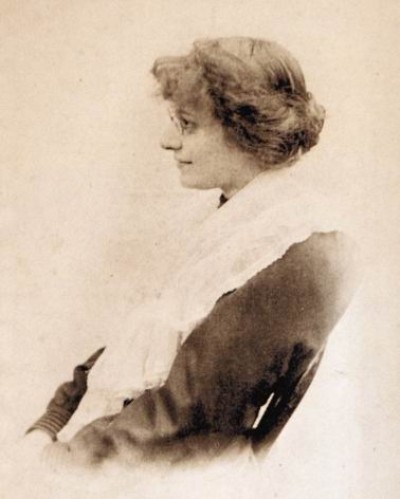
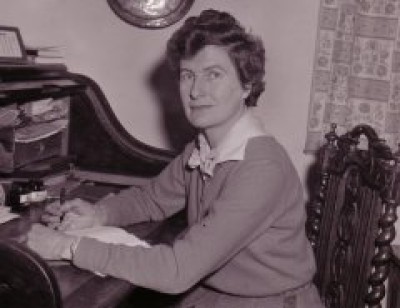
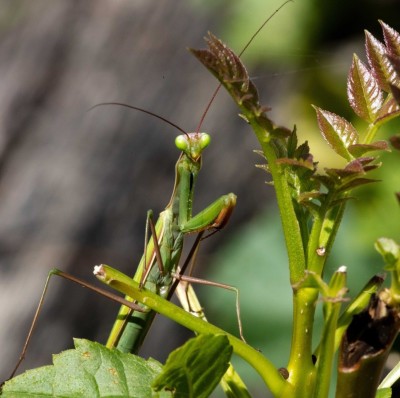
Peter Rabbit Almanac / American EditionHelen Beatrix Potter was born in London in 1866 and had a little brother, Bertram, who was five years younger than she was. Beatrix loved the natural world, her annual trips to Scotland and the Lake District were highlights of her early years. She loved to collect flowers, insects and even little animals and returned home laden with all sorts of treasures she had discovered. Her study of botany and biology was such that, had she not become a writer, she would most likely have been an eminent scientist.